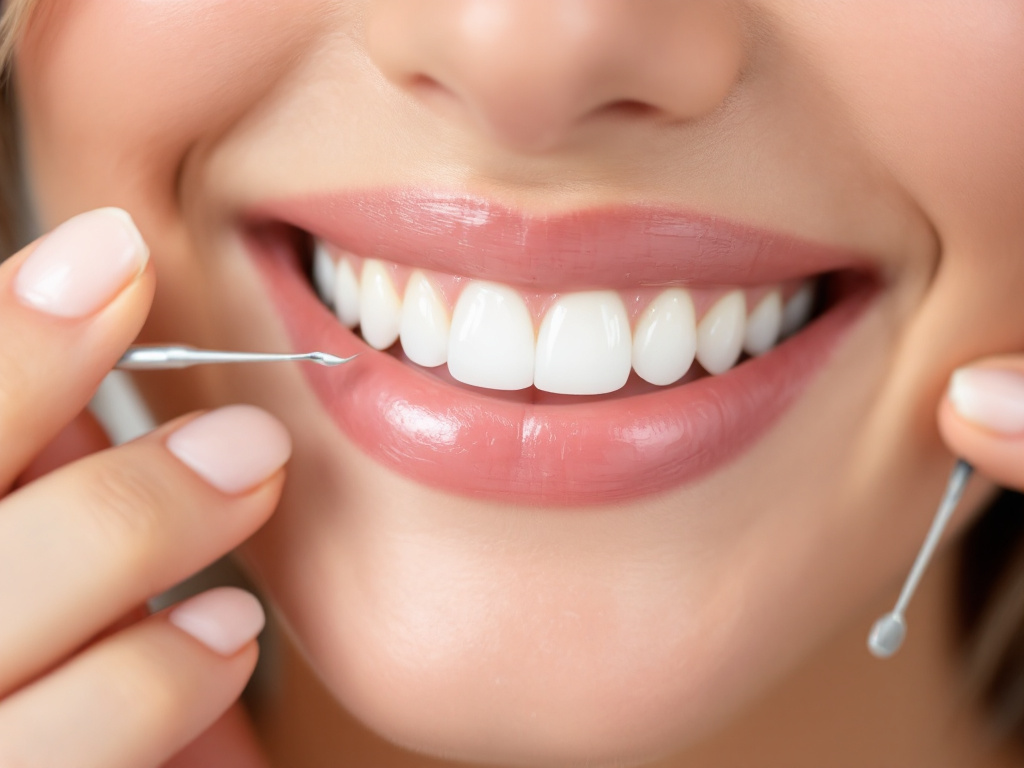
If you’re considering veneers for front teeth, you’re exploring one of the most effective cosmetic dentistry options for achieving a bright, uniform smile. Dental veneers are thin shells custom-made to fit over the front surfaces of your teeth, concealing cracks, chips, stains, and gaps to create a more attractive appearance (Cleveland Clinic). Porcelain veneers offer stain resistance and durability, maintaining a white smile for years even with regular exposure to coffee, tea, or red wine (Blyss Dental). In this guide, you’ll learn how veneers for front teeth can transform your appearance, compare material options, explore candidacy, walk through the placement process, understand costs and maintenance, and discover complementary cosmetic dental enhancements.
Understanding dental veneers
What are dental veneers?
Dental veneers are ultra-thin shells, typically made from porcelain or composite resin, that fit over the front of your teeth to mask cosmetic imperfections. By bonding these custom-made shells to the visible surfaces, you can correct issues such as discoloration, chips, cracks, and uneven spacing without altering the back or chewing surfaces of your teeth.
Benefits of front teeth veneers
- Conceal stubborn stains that resist whitening treatments
- Correct minor chips, cracks, and surface damage
- Close small gaps or diastemas for a uniform smile
- Preserve more natural tooth structure compared to crowns
- Achieve transformative results in just two visits with minimal discomfort (Blyss Dental)
- Boost confidence by creating a symmetrical, balanced smile
By choosing veneers, you can address multiple aesthetic concerns at once, often with less invasive preparation than traditional crowns or orthodontic treatments. This makes them an attractive option if you want quick, lasting improvements.
Comparing veneer materials
Porcelain veneers
Porcelain veneers are laboratory-crafted ceramic shells bonded to your teeth. They require removal of a thin layer of enamel—usually about 0.5 millimeters—to ensure a precise fit and natural appearance.
Pros
- Excellent stain resistance for long-term brightness
- High durability, lasting 10 to 15 years or more with proper care
- Lifelike translucency that mimics natural enamel
Cons
- Irreversible enamel removal makes retreatment more involved
- Typically higher cost per tooth compared to composite options
- Repairs can be more complex if a veneer chips
Composite resin veneers
Composite resin veneers are crafted from tooth-colored resin directly applied and shaped in your dentist’s chair.
Pros
- More cost-effective, with per-tooth costs ranging from $400 to $2,000 (Healthline)
- Can often be completed in a single visit
- Easy to repair or adjust if minor damage occurs
Cons
- Less resistant to staining and wear than porcelain
- Lifespan of about 5 to 10 years before replacement may be needed
- May lack the natural translucency of porcelain
| Veneer type | Material | Preparation required | Lifespan | Cost per tooth |
|---|---|---|---|---|
| Porcelain | Ceramic | Enamel removal, lab-made | 10–15 years | $925–2,500 (Healthline) |
| Composite resin | Composite resin | Minimal prep, chairside | 5–10 years | $400–2,000 (Healthline) |
Beyond these two main types, no-prep or minimal-prep veneers require less enamel removal, and snap-on or removable veneers can serve as temporary cosmetic enhancements. Discuss these options with your dentist to find the best match for your goals and oral anatomy.
Evaluating veneers candidacy
Suitable candidates
You may be a good candidate for veneers if you:
- Have healthy teeth and gums, free of active decay
- Maintain good oral hygiene habits
- Have sufficient enamel to support bonding
- Seek improvement for mild cosmetic issues such as discoloration, small chips, or gaps
- Can commit to the maintenance required for long-term veneer care
Factors to consider
Before proceeding, consider:
- The current condition of your bite and jaw alignment
- Any existing dental restorations or crowns
- Your tendency to grind or clench, which may require a night guard
- Realistic expectations about shade matching and tooth shape
- The long-term commitment to care and potential future replacement
If you require gum reshaping to complement your new veneers, your dentist may recommend a gum contouring cosmetic procedure as part of your treatment plan.
Outlining placement process
Initial consultation
Your journey starts with a cosmetic dental evaluation, where your dentist will:
- Examine your oral health and take X-rays
- Discuss your smile goals and desired outcomes
- Capture photos and digital impressions for planning
- Review possible treatment combinations, such as whitening & veneers package or bonding
This step ensures that veneers align with your functional needs and aesthetic preferences.
Preparing teeth
At the preparation appointment, your dentist will:
- Remove a small amount of enamel to make room for the veneers
- Take precise impressions or digital scans
- Send these records to a dental lab for fabrication of porcelain shells, or prepare the composite resin material for chairside application
- Provide temporary veneers if needed
If you opt for traditional ceramic shells, this visit sets the foundation for a perfect fit during porcelain veneer placement.
Bonding and finishing
During your final appointment:
- Your dentist will perform a trial fitting to confirm shape, color, and alignment
- Teeth surfaces are etched and conditioned for optimal bonding
- Veneers are secured with specialized dental cement and cured under a UV light
- Excess material is removed and the veneers are polished for a smooth, natural finish
For one-day solutions, inquire about CEREC® or same-day porcelain veneer options, which use in-office CAD/CAM milling to custom-mill and bond your veneers in a single visit (Smile Dental Center).
Maintaining your veneers
Daily care tips
To keep your veneers looking their best:
- Brush twice daily with a soft-bristled toothbrush and non-abrasive toothpaste
- Floss gently around the margins to prevent plaque buildup
- Avoid biting directly into hard foods like ice or nutshells
- Use a mouthguard if you grind your teeth at night
Professional check-ups
Continue routine dental visits every six months for:
- Professional cleanings and exams
- Evaluation of veneer integrity and bond strength
- Early detection and repair of any chips or debonding
Addressing common issues
While veneers are durable, you may encounter:
- Minor chips or cracks that can often be repaired with composite resin
- Margin staining that may require polishing or touch-up
- Debonding which your dentist can reattach in a simple office visit
Promptly reporting concerns helps maintain your smile’s appearance and extends the life of your veneers.
Assessing costs and financing
Average veneer costs
Your investment depends on veneer type, complexity, and geographic location. National averages include:
- Porcelain veneer: $925 to $2,500 per tooth (Healthline)
- Composite veneer: $400 to $2,000 per tooth (Healthline)
- National average: $1,765 per veneer, with a range of $500 to $2,895; a full set of six to eight veneers averages $15,486 (CareCredit)
At Aspen Dental, porcelain veneers average $1,477 per tooth, while composite options average $1,043, with full-mouth packages around $8,344 (Aspen Dental).
Insurance coverage
Since veneers are often elective cosmetic procedures, most dental insurance plans do not cover them. However, if veneers address functional issues—such as protecting a worn or damaged tooth—partial coverage may be available. Confirm details with your provider.
Financing options
Flexible payment choices can make veneers more accessible:
- Third-party financing through CareCredit or similar lenders
- In-office payment plans and savings programs
- Third-party healthcare credit cards for elective treatments
- Your dentist’s membership or savings plans for cosmetic procedures
Discuss financial options during your initial consultation to select a plan that fits your budget.
Enhancing your smile design
Integrating whitening treatments
For the most harmonious results, it’s often best to whiten your teeth before placing veneers. Professional whitening treatments allow you to:
- Achieve your desired shade and then match veneers precisely
- Create a uniform brightness across all visible teeth
- Pair whitening with a customized whitening & veneers package
If you prefer a standalone whitening boost, explore our teeth whitening treatment.
Combining with other services
A comprehensive approach to smile enhancement may include:
- Minor chip repair with dental bonding service
- Reshaping gum lines using gum contouring cosmetic
- Aligning tooth proportions with cosmetic crown dentistry
- Advanced esthetic dentistry techniques
- Non-surgical options via non invasive cosmetic dentistry
These treatments work in concert to deliver a cohesive, balanced result that reflects your unique facial features.
Utilizing digital planning
Modern cosmetic practices often use digital tools to plan your new smile:
- Digital smile design software to visualize outcomes
- Consultations with a smile design dentist for personalized recommendations
- A custom smile makeover plan integrating veneers, whitening, and any necessary preparatory procedures
Digital planning increases predictability and ensures your final smile aligns with your vision.
Choosing your treatment
Questions to ask your dentist
Before committing to veneers, prepare questions such as:
- How many veneers will I need for a balanced smile?
- Which material do you recommend based on my needs?
- What training and experience do you have with veneer placement?
- Can I see before-and-after photos of previous patients?
- What warranties or guarantees come with the veneers?
- How do you handle repairs or replacements if issues arise?
Selecting a provider
When evaluating a practice, look for:
- A reputable cosmetic dental clinic with verifiable credentials
- Board-certified dentists or specialists in cosmetic procedures
- Positive patient reviews highlighting natural, lasting results
- A confidence smile dentist who prioritizes your comfort and satisfaction
Setting realistic goals
Effective smile enhancement balances aesthetics and function. Work with your dentist to:
- Define toothbrush-friendly shapes and proportions
- Select a shade that complements your skin tone and lifestyle
- Understand the commitment to maintenance and occasional touch-ups
- Integrate veneers into a broader cosmetic smile makeover plan if needed
By establishing clear, achievable objectives, you’ll enhance both your appearance and your confidence in the long term.
Your smile is a powerful expression of who you are. With veneers for front teeth, you can address multiple cosmetic concerns in a minimally invasive way, achieving a radiant, symmetrical look that lasts for years. Armed with the right information, candidacy evaluation, financial planning, and a trusted provider, you’re ready to embark on a transformative journey toward a brighter, more confident smile. For more on advanced procedures and caring for your results, explore our resources on cosmetic dental care and cosmetic dental enhancements.